




-1675d2368c6531b4186d0c38e40719e5.png)






Choosing the right phone for ophthalmology recording isn't about brand loyalty; it's about how well the camera handles detail, motion, and lighting in real clinical environments. For slit lamp recording and procedures, four specs matter most: sensor quality (not just megapixels), optical image stabilization (OIS), video format support (4K, ProRes, HDR), and color accuracy under medical lighting.

🏆 Best overall: iPhone Pro series
The iPhone Pro lineup (15/16/17 Pro) remains one of the most practical smartphone options for ophthalmology video recording.
Key technical advantages:
- - 4K video at up to 60 fps
- - Sensor-shift optical image stabilization
- - ProRes and Log video support on recent Pro models
These features translate into smoother footage, fewer lighting-related artifacts, and video that closely matches what you see clinically. Final slit-lamp recording quality still depends heavily on mounting, illumination, and alignment; the phone is only one part of the equation.

🔍 Best for detail and zoom: Samsung Galaxy Ultra
The Galaxy S24 Ultra and S25 Ultra are well suited to zoom-heavy smartphone imaging, making them a strong option for retina-focused documentation.
Key technical advantages:
- - 200MP main sensor for high-detail capture and cropping flexibility
- - Advanced telephoto zoom for retinal and instrument-focused imaging
- - Strong handheld stabilization
- - HDR and Log video on newer Ultra models for flexible post-processing
As with the iPhone Pro, real-world image quality still comes down to mounting and workflow; but for zoomed retinal work, the Ultra series has a genuine edge.
| Spec | iPhone Pro | Galaxy Ultra |
|---|---|---|
| Main sensor | 48MP, strong color science | 200MP, high crop flexibility |
| Stabilization | Sensor-shift OIS | Strong handheld OIS |
| Video formats | 4K/60, ProRes, Log | 4K, HDR, Log (newer models) |
| Best for | Overall slit-lamp recording | Zoomed retinal documentation |
What actually limits your recording
Even with top-tier specs, most slit-lamp recording problems come down to three things: optical path misalignment, handheld instability, and glare or reflections. That's why so many recordings still look unprofessional, no matter which phone was used to capture them.
🎥 This is where MicroREC comes in

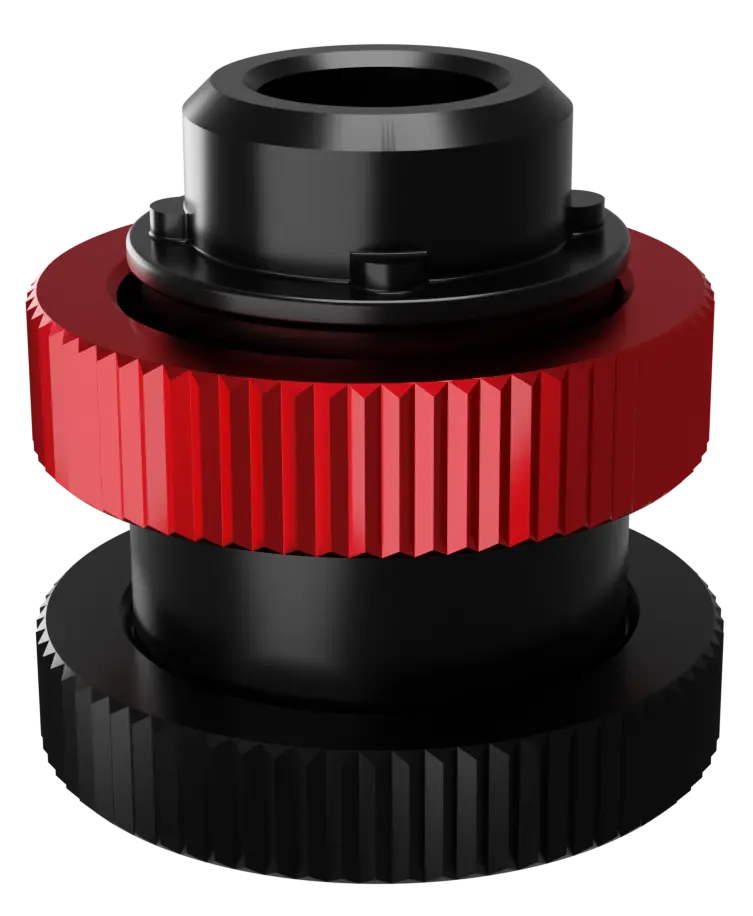
MicroREC is a mounting system built specifically for smartphone slit lamp and microscope recording. It enables precise optical alignment and stable positioning during capture, addressing the biggest limitation before the phone's camera even comes into play.
The hardware is only half of the workflow, though. The MicroREC App adds recording controls, image rotation correction, and camera settings, while keeping professional ophthalmic recordings separate from personal smartphone media.
Together, MicroREC and the MicroREC App create a streamlined system for capturing high-quality ophthalmic content for education, conferences, documentation, and social media.
✅ Our take
If you want a straightforward recommendation: iPhone Pro + MicroREC + MicroREC App is one of the most reliable combinations for ophthalmology recording today.
It's not about having the newest phone; it's about building a stable, consistent workflow that captures exactly what you see clinically, with accuracy and clarity.
Want to go deeper? Download our free ebook on anterior segment photography with a smartphone.


